Table of Contents
- It's Not Just a "Bad Headache"
- The Real Difference: Migraines vs. Regular Headaches
- Spotting a Migraine: The Clear Signs
- Regular Headaches: What They Look Like
- The Migraine Journey: Four Distinct Phases
- Why the Right Diagnosis Changes Everything
- When to Talk to Your Doctor
- Different Problems Need Different Solutions
- Living Your Best Life: Managing Head Pain
- Taking Back Control
It's Not Just a "Bad Headache"
Picture this: You're telling someone about the crushing pain that forced you to lie in a dark room for hours, and they say, "Oh, I get headaches too. Have you tried drinking more water?"
Sound familiar? If you've ever felt like people don't understand your pain, you're absolutely right. What you're experiencing might not be a regular headache at all—it could be a migraine, and that changes everything.
Here's something that might surprise you: migraines and regular headaches are completely different beasts. It's like comparing a gentle spring rain to a thunderstorm. They both involve water falling from the sky, but the experience is totally different.
Understanding this difference isn't just interesting—it's life-changing. It's the key to finally getting the help you deserve and finding relief that actually works.
The Real Difference: Migraines vs. Regular Headaches
Think of Your Brain as a Computer
Imagine your brain is like a super-advanced computer. A regular headache is like having a slow internet connection—annoying, but everything still basically works.
A migraine? That's like your entire system crashing. It's not just about the pain in your head. Your brain's normal functions get scrambled, affecting how you see, hear, think, and even digest food.
The Simple Truth
Regular headaches are usually about muscles getting tight, stress building up, or your body reacting to something simple like not eating enough or sleeping poorly.
Migraines are your brain having a complex reaction that affects multiple systems in your body all at once. It's like your nervous system is throwing a tantrum, and the headache is just one part of the chaos.
The bottom line: Migraines are a neurological condition that happens to include head pain. Regular headaches are primarily just about the pain itself.
Spotting a Migraine: The Clear Signs
The Pain Tells a Story
Migraine pain has personality:
- Throbbing or pulsing (like your heartbeat in your head)
- Usually on one side (though it can switch sides or affect both)
- Gets worse when you move (even simple things like walking upstairs)
- Intense enough to stop you in your tracks
Your Senses Go Haywire
This is where migraines really show their true colors:
Light becomes your enemy - Even normal lighting feels like someone's shining a flashlight directly into your eyes. You find yourself squinting, closing your eyes, or hiding in dark rooms.
Sounds feel overwhelming - Everyday noises like conversation, TV, or even whispering can feel unbearably loud. You might find yourself covering your ears or asking people to whisper.
Smells hit differently - Perfumes, food smells, or even normally pleasant scents can trigger nausea or make your pain worse.
Your vision might change - Some people see flashing lights, zigzag patterns, or even temporary blind spots.
Your Stomach Joins the Party
Nausea is incredibly common with migraines. You might feel queasy, lose your appetite completely, or actually get sick. This happens because migraines affect your digestive system too.
Time is Not on Your Side
While a regular headache might last 30 minutes to a few hours, migraines are marathon events. They can last anywhere from 4 hours to 3 full days if left untreated. Some people describe it as losing entire days to their migraines.
Regular Headaches: What They Look Like
Tension Headaches: The Most Common Type
These are the headaches most people think of:
- Feels like a tight band around your head
- Dull, aching pain (not throbbing)
- Affects both sides of your head equally
- Mild to moderate intensity (annoying but manageable)
- Doesn't make you sick to your stomach
- Light and sound don't bother you much
Cluster Headaches: The Alarm Clock Pain
These are less common but very distinctive:
- Severe, burning pain around one eye
- Happens at the same time each day (like clockwork)
- Lasts 15 minutes to 3 hours
- Makes you restless (unlike migraines where you want to lie still)
- Comes in "clusters" over weeks or months
Sinus Headaches: The Pressure Problem
Often mistaken for migraines:
- Deep, constant pressure in your forehead, cheeks, or around your nose
- Gets worse when you bend over
- Comes with stuffy nose and thick mucus
- Feels like your face is full of pressure
The Migraine Journey: Four Distinct Phases
Here's something fascinating: A migraine isn't just the headache part. It's actually a four-act play, and not everyone experiences every act.
Act 1: The Warning Signs (Prodrome)
This can happen hours or even days before the headache
Your body starts sending signals:
- Mood changes - You might feel irritable, sad, or unusually happy
- Food cravings - Especially for chocolate, salty foods, or sweets
- Your neck feels stiff
- You can't stop yawning
- You're constantly thirsty
Act 2: The Light Show (Aura)
About 25% of people experience this 20-60 minutes before the headache
This is like your brain's warning system:
- Visual fireworks - Flashing lights, zigzag lines, or blind spots
- Tingling sensations in your face or hands
- Trouble finding words or speaking clearly
- Feeling weak or numb
Act 3: The Main Event (Headache)
The part everyone knows about
- Severe, throbbing pain
- Nausea and sensitivity to everything
- Difficulty thinking clearly
- Just wanting to hide from the world
Act 4: The Aftermath (Postdrome)
Can last 24-48 hours after the headache ends
Even after the pain is gone:
- Extreme tiredness (like you've run a marathon)
- Brain fog - trouble concentrating
- Feeling emotionally drained
- Muscle weakness
Why the Right Diagnosis Changes Everything
Different Problems, Different Solutions
Here's the game-changer: What works for regular headaches often doesn't work for migraines, and vice versa. It's like trying to fix a computer problem with a hammer—you might make things worse.
Getting the wrong diagnosis means:
- Trying treatments that don't work for your specific type of pain
- Wasting time and money on ineffective solutions
- Feeling frustrated when nothing seems to help
- Thinking you just have to "live with it"
The Medication Trap
This is really important: If you have migraines but treat them like regular headaches, you might end up taking pain relievers too often. This can actually create a cycle where the medications themselves start causing more headaches.
Your Quality of Life Matters
Proper diagnosis opens doors to:
- Treatments specifically designed for your type of head pain
- Prevention strategies that actually work
- Understanding from family and friends who finally get that this isn't "just a headache"
- Getting your life back instead of planning around your pain
When to Talk to Your Doctor
It's Time for a Conversation If:
- Your headache pattern changes - They're happening more often, lasting longer, or feeling different
- You're having 4 or more headaches per month
- Your headaches interfere with your daily life - work, family time, or activities you enjoy
- Over-the-counter pain relievers aren't helping like they used to
- You're relying on pain medications more than 2-3 times per week
- You're starting to avoid activities because you're afraid of triggering a headache
Come Prepared to Your Appointment
Your doctor needs details to help you:
- Keep a headache diary for at least a month before your visit
- Note when headaches happen, how long they last, and what they feel like
- Track potential triggers - foods, stress, sleep patterns, weather
- List all medications you take, including supplements
- Mention family history - migraines often run in families
Questions to Ask Your Doctor
- "Based on my symptoms, do you think these are migraines or another type of headache?"
- "What treatment options do you recommend for my specific situation?"
- "Are there lifestyle changes that might help?"
- "When should I follow up with you?"
Different Problems Need Different Solutions
The Migraine Toolbox
For Immediate Relief:
- Prescription medications specifically designed for migraines
- Anti-nausea medications to handle the stomach issues
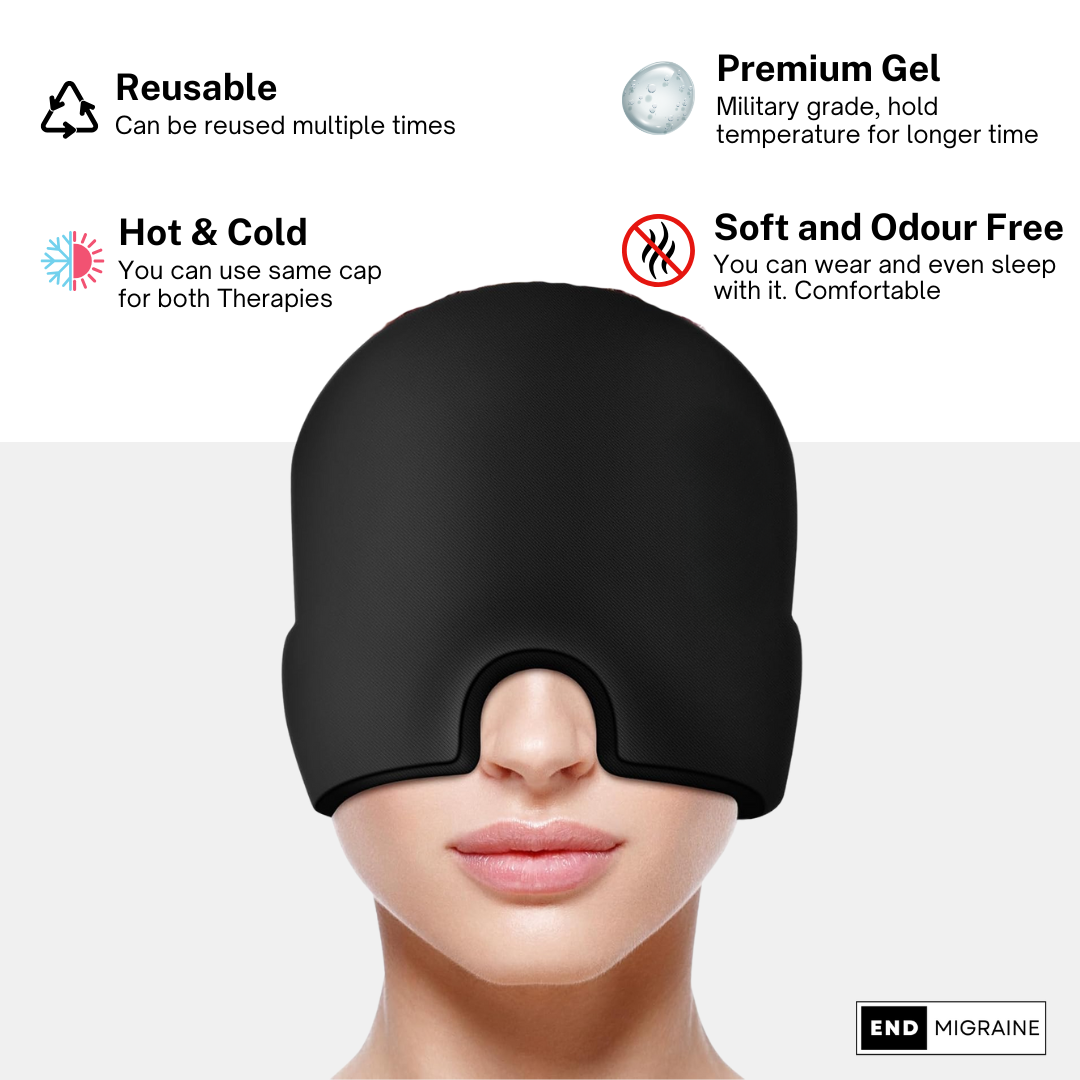
- Cold therapy - many people find targeted cooling incredibly helpful
- Rest in a dark, quiet room
For Prevention:
- Daily medications to reduce frequency and intensity
- Lifestyle changes - consistent sleep, regular meals, stress management
- Identifying and avoiding triggers
- Natural supplements that some people find helpful
Regular Headache Relief
For Tension Headaches:
- Over-the-counter pain relievers (used appropriately)
- Stress reduction techniques
- Gentle stretching and massage
- Heat or cold therapy
- Better posture and ergonomics
For Cluster Headaches:
- Specialized treatments during cluster periods
- Oxygen therapy (prescribed by a doctor)
- Prevention strategies during active periods
Natural Approaches That Many People Try
For Both Migraines and Headaches:
- Cold therapy - especially effective for migraines
- Magnesium supplements
- B vitamins
- Coenzyme Q10
- Acupuncture
- Yoga and meditation
- Biofeedback training
Living Your Best Life: Managing Head Pain
Migraine Management Made Simple
Become a Detective:
- Track your triggers - common ones include stress, hormonal changes, certain foods, sleep changes, and weather
- Look for patterns - do your migraines happen at certain times of the month or in specific situations?
- Keep a simple diary - even notes on your phone can help
Create Your Lifestyle Foundation:
- Consistent sleep schedule - same bedtime and wake time, even on weekends
- Regular meals - don't skip meals, as low blood sugar can trigger migraines
- Stay hydrated - dehydration is a common trigger
- Manage stress - find what works for you, whether it's exercise, meditation, or talking to friends
- Gentle, regular exercise - but avoid intense workouts if they trigger your migraines
Build Your Emergency Kit:
- Have your rescue treatments easily accessible
- Create a "migraine sanctuary" - a quiet, dark space where you can retreat
- Keep comfort items handy - cold packs, eye masks, or whatever helps you
Regular Headache Management
Daily Habits That Help:
- Good posture - especially if you work at a computer
- Take breaks from screens and repetitive tasks
- Stay hydrated throughout the day
- Manage stress levels with techniques that work for you
- Get enough quality sleep
Quick Relief Strategies:
- Experiment with heat and cold - some people prefer heat, others cold
- Try gentle stretches for your neck and shoulders
- Practice deep breathing
- Use relaxation techniques
Building Your Support Network
Help others understand:
- Explain the difference between migraines and headaches to family and friends
- Share this information with people who matter to you
- Don't minimize your experience - if it affects your life, it's important
- Connect with others who understand what you're going through
Taking Back Control
Here's the truth: Understanding the difference between migraines and regular headaches isn't just about medical labels—it's about getting your life back.
You now know:
- Migraines are complex neurological events that affect your whole body, not just severe headaches
- The telltale signs that distinguish migraines from other types of headaches
- Why proper diagnosis is the key to effective treatment
- Different types of head pain need different approaches
- You have options and don't have to just "tough it out"
Your next steps:
- Start keeping track of your headaches and symptoms
- Schedule a conversation with your healthcare provider if your headaches are affecting your life
- Be your own advocate - armed with knowledge, you can have better conversations about your health
- Remember that help is available - you don't have to suffer in silence
The most important thing to remember: Your pain is real, it matters, and there are people who understand and want to help. Whether you're dealing with migraines or another type of headache, the first step toward relief is understanding what you're actually facing.
You've taken that first step by reading this article. Now it's time to take the next one.
Ready to learn more about managing your head pain? The journey to relief starts with understanding, and you're already on your way. Remember, every person's experience is unique, so working with a healthcare provider who understands your specific situation is always the best path forward.
Disclaimer: This information is for educational purposes only and should not replace professional medical advice. Always consult with your healthcare provider for personalized guidance about your specific health concerns.